
Nullam dignissim, ante scelerisque the is euismod fermentum odio sem semper the is erat, a feugiat leo urna eget eros. Duis Aenean a imperdiet risus.






At our Pediatric Allergy & Asthma Clinic in Thoraipakkam, I provide comprehensive evaluation and long-term management for children experiencing recurrent cough, wheezing, breathlessness, skin allergies, nasal congestion, and food sensitivities. Childhood asthma and allergic conditions are increasingly common, especially in urban environments, and early identification plays a crucial role in preventing complications. My approach focuses on understanding your child’s symptoms in detail, identifying triggers, and creating a structured, evidence-based care plan tailored to their age and lifestyle.
Pediatric asthma and allergy care focuses on diagnosing, treating, and preventing respiratory and immune-related conditions that affect infants, children, and adolescents. These conditions include recurrent wheezing, chronic cough, allergic rhinitis, eczema, food allergies, and seasonal hypersensitivity. Because children’s immune systems and airways are still developing, early evaluation is extremely important to prevent complications and long-term airway inflammation. At our Pediatric Allergy & Asthma Clinic in Thoraipakkam, I provide structured, guideline-based care tailored to each child’s age, symptom pattern, and environmental exposure. My goal is not only to relieve immediate symptoms but also to improve long-term lung health, sleep quality, school attendance, and overall well-being. When asthma and allergies are managed properly, children can live active, unrestricted lives without fear of frequent flare-ups.
Asthma in children does not always present dramatically. In many cases, it begins with subtle symptoms such as recurrent night cough, breathlessness during play, or wheezing during viral infections. Parents may notice that their child gets tired easily, avoids physical activity, or wakes up frequently due to coughing. These early warning signs should never be dismissed as “just a cold.”
Childhood asthma is characterized by airway inflammation that causes narrowing and increased mucus production. When this inflammation is left untreated, it can lead to repeated hospital visits and reduced quality of life. Early diagnosis and structured management significantly reduce emergency episodes and improve long-term respiratory outcomes.
Allergies occur when the immune system overreacts to substances that are otherwise harmless. These substances, called allergens, may include dust mites, pollen, pet dander, certain foods, or mold. In children with a genetic tendency, the immune response becomes exaggerated, leading to inflammation in the nose, skin, lungs, or digestive system.
Urban environments and seasonal climate changes can increase allergen exposure, especially in areas like Thoraipakkam. When allergies are not properly controlled, they may worsen asthma symptoms and lead to chronic nasal congestion, sleep disturbances, and reduced concentration in school. Identifying the root cause of allergic symptoms is essential for long-term relief.
Diagnosing asthma in children requires careful clinical evaluation rather than quick labeling. I begin with a detailed medical history, assessing symptom frequency, severity, family history of allergies, and trigger exposure. Patterns such as repeated cough after viral infections or symptoms worsening with dust exposure provide important clues.
In older children, lung function testing may support the diagnosis. However, clinical judgment remains the cornerstone of pediatric asthma evaluation. Avoiding unnecessary medications while ensuring timely intervention is essential for safe and effective care.
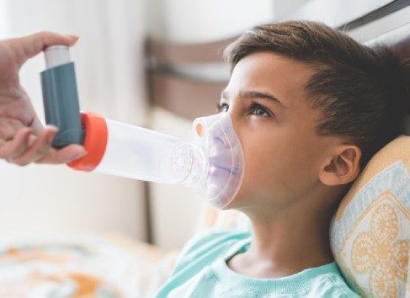
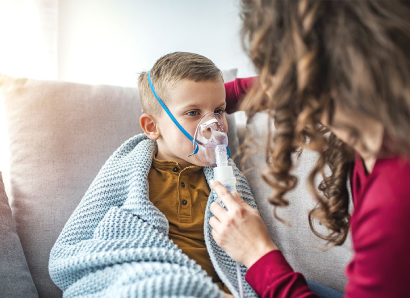
Asthma treatment is personalized and depends on severity and frequency of symptoms. The primary goal is to reduce airway inflammation, prevent flare-ups, and ensure normal daily functioning. Treatment may include reliever inhalers for immediate symptoms and controller medications for long-term prevention
Equally important is parent education. Proper inhaler technique, adherence to medication schedules, and early recognition of warning signs significantly improve outcomes. With the right treatment plan, most children can participate fully in sports and school activities.
Allergy management begins with identifying triggers and minimizing exposure. Environmental modifications such as dust control, bedding hygiene, and seasonal precautions can dramatically reduce symptom frequency. Medication is prescribed only when necessary and always in safe pediatric dosages.
For food allergies, careful dietary counselling is provided to prevent nutritional deficiencies. Parents are guided clearly about when to avoid foods and when supervised reintroduction may be possible. Safe and rational treatment remains the foundation of pediatric allergy care.
Severe asthma attacks can escalate quickly and require urgent medical attention. Warning signs include rapid breathing, chest retractions, inability to speak in full sentences, and poor response to inhaler medication. Parents should never delay care in such situations.
As a Pediatrician with intensive care training, I emphasize proactive planning to reduce emergency episodes. A clear asthma action plan helps parents recognize danger signs early and act promptly.
Yes. Although asthma is a chronic condition, it can be very well controlled with consistent management. Regular follow-ups ensure that medication doses are adjusted as the child grows and symptom patterns evolve.
Preventive care, vaccination updates, and immune support play important roles in long-term respiratory stability. Children who receive structured asthma care often experience fewer flare-ups and improved overall health.
Urban environments can significantly influence respiratory health in children. Exposure to air pollution, construction dust, indoor allergens, and seasonal humidity changes may increase the frequency of asthma flare-ups and allergic reactions. In rapidly developing residential areas like Thoraipakkam, environmental triggers such as dust mites, mold growth during monsoon, and traffic-related pollution can worsen airway inflammation in sensitive children.
Understanding local environmental risk factors allows us to create practical preventive strategies. I guide parents on home ventilation, bedding hygiene, indoor air quality improvement, and seasonal precautions to reduce allergen exposure. Small environmental modifications can greatly improve symptom control and reduce dependency on emergency medications.
Nutrition plays an important role in immune balance and respiratory resilience. Children with poor dietary patterns may experience increased inflammation, slower recovery from infections, and reduced overall immunity. A balanced diet rich in antioxidants, vitamins, and adequate protein supports lung health and immune regulation.
In some cases, unnecessary dietary restrictions due to suspected food allergies can lead to nutritional deficiencies and growth concerns. I carefully assess whether true food allergies exist before recommending elimination diets. Proper nutritional counselling ensures that children receive adequate nutrients while safely managing allergic triggers.
Respiratory viral infections are one of the most common triggers for asthma exacerbations in children. During viral illnesses, airway inflammation increases, leading to wheezing, cough, and breathlessness. Many parents notice that their child’s asthma symptoms worsen during seasonal flu outbreaks or weather changes.
Preventive planning is crucial. Timely vaccination, early symptom recognition, and appropriate use of prescribed medications reduce the severity of viral-induced asthma attacks. I educate parents on when to start rescue medication and when to seek medical review, ensuring prompt and safe intervention.
One of the most common questions parents ask is whether their child will outgrow asthma or allergies. Some children experience symptom improvement as their immune and respiratory systems mature. However, others may continue to have symptoms into adolescence or adulthood, especially if asthma is not well controlled early.
Proper long-term management reduces airway remodeling and chronic inflammation, improving the chances of remission. Regular follow-up, medication adherence, and trigger control are essential. Even if symptoms decrease, structured monitoring ensures that flare-ups are identified early.
School-aged children with asthma require coordinated care between parents, doctors, and teachers. Physical activity, sports participation, and classroom dust exposure can influence symptom control. Children should never avoid school or sports due to poorly managed asthma.
I help families develop a clear asthma action plan that can be shared with schools. This ensures teachers understand warning signs and emergency steps. With appropriate management, children can participate safely in physical activities and maintain normal academic performance.
| Feature | Pediatric Asthma | Childhood Allergy | Common Cold |
|---|---|---|---|
| Main Cause | Chronic airway inflammation | Immune reaction to allergens (dust, pollen, food) | Viral infection |
| Duration | Recurrent / long-term condition | Can be seasonal or persistent | Usually 5–10 days |
| Cough Pattern | Worse at night or during activity | Often with sneezing & nasal symptoms | Mild, short-term |
| Breathing Difficulty | Common, especially during flare-ups | Rare unless linked to asthma | Uncommon |
| Wheezing Sound | Frequently present | Only if asthma associated | Rare |
| Fever | Usually absent | Absent | Often present |
| Treatment Focus | Inhalers, preventive therapy | Trigger control, antihistamines | Symptomatic relief |
| Needs Long-Term Monitoring? | Yes | Sometimes | No |
Many parents confuse asthma, allergies, and recurrent viral infections. Understanding the differences helps in early diagnosis and prevents unnecessary antibiotic use. If your child has persistent cough, wheezing, or seasonal breathing difficulty, proper pediatric evaluation is recommended.
Children require specialized care because their respiratory systems differ from adults. Pediatric-focused evaluation ensures safe dosing, age-appropriate therapy, and accurate diagnosis. Continuity of care also builds trust and improves adherence.
Our clinic offers evidence-based protocols, ethical medical practice, and compassionate counselling. Parents searching for a Pediatric Asthma Specialist in Thoraipakkam will find structured, research-backed care here.
Children require specialized care because their respiratory systems differ from adults. Pediatric-focused evaluation ensures safe dosing, age-appropriate therapy, and accurate diagnosis. Continuity of care also builds trust and improves adherence.
Our clinic offers evidence-based protocols, ethical medical practice, and compassionate counselling. Parents searching for a Pediatric Asthma Specialist in Thoraipakkam will find structured, research-backed care here.
Asthma and allergies change as children grow. Medication needs, trigger exposure, and immune responses evolve over time. Without regular review, symptoms may worsen silently.
Scheduled follow-ups allow early dose adjustments, reassessment of triggers, and prevention of complications. Long-term monitoring improves school attendance, sleep quality, and overall confidence.
Childhood asthma and allergies can feel overwhelming, but they are manageable with early diagnosis and structured care. My commitment is to provide compassionate, evidence-based respiratory care tailored to your child’s needs.
If your child experiences recurrent cough, wheezing, breathing difficulty, eczema, or allergy symptoms, timely consultation can make a lasting difference.
If you are seeking structured, medically supervised newborn care in Thoraipakkam, book your consultation at Dr. Revathi’s Children’s Clinic. Early neonatal supervision ensures safer development and stronger health foundations.
Schedule a Consultation at Our Pediatric Allergy & Asthma Clinic in Thoraipakkam Today